
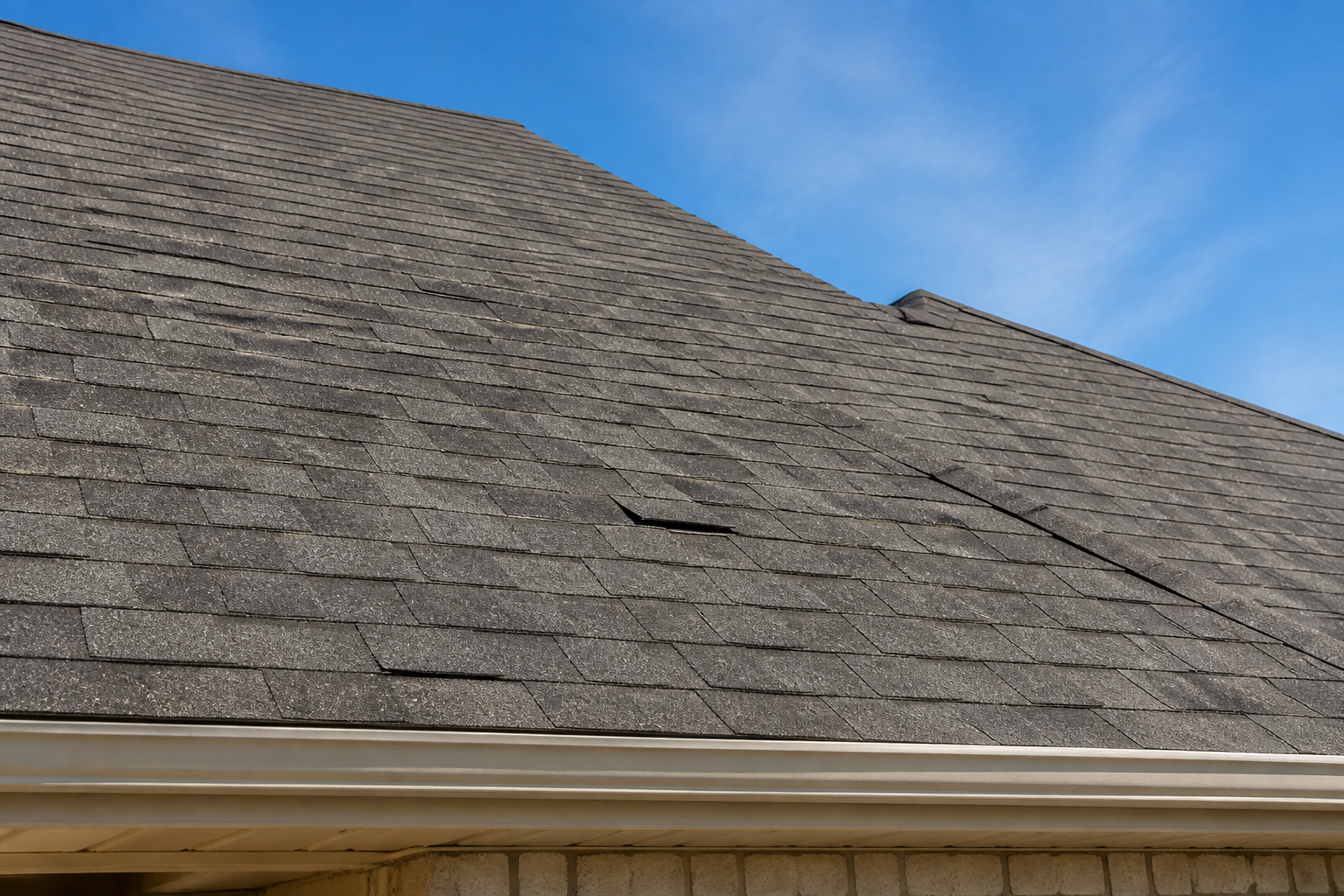
The Big Question: Rejuvenate or Replace?
As a San Antonio homeowner, you know your roof takes a beating. The relentless Texas sun, sudden hailstorms, and high winds all work to shorten the life of your asphalt shingles. Eventually, every roof reaches a point where you have to make a decision: can you get more life out of it, or is it time for a full, costly replacement?
This is a question we hear all the time. Our roof rejuvenation service is a powerful tool for extending the life of an aging roof. But it's a tool for preservation, not resurrection. It’s designed to treat a roof that is getting old but is still in decent shape. It's not a magic fix for a roof that has already failed.
So, how do you know if your roof is past the point of no return? This guide will walk you through the clear warning signs that indicate you need to start calling roofers for replacement quotes, not us. Honesty and directness are important to us—we don't want you to waste your time or money on a treatment if what you really need is a new roof.
Red Flags: When to Replace Your Asphalt Shingle Roof
If you see one or more of the following issues, your roof is likely beyond the help of a rejuvenation treatment. These are signs of systemic failure, where the shingles and potentially the structure underneath are too compromised.
1. Widespread or Severe Shingle Curling
Take a look at your shingles. Are the edges and corners starting to turn up? This is called curling. Or are they buckling in the middle? That's often called clawing.
A little bit of curling on a 15-year-old roof is one thing, but widespread, severe curling is a major red flag. It means the shingles have lost most of their moisture, become brittle, and are no longer lying flat. They can't seal against each other properly, making them easy for wind to grab and tear off. More importantly, they can't be treated effectively because they are too far gone. Trying to treat severely curled shingles is like trying to moisturize a potato chip—it’s just going to crumble.
2. Large Areas of Missing Shingles
Losing a few shingles after a particularly bad San Antonio storm or hail event is common. These can often be replaced by a roofer to patch the area. However, if your roof has large bare patches or looks like a checkerboard of missing shingles across different sections, it points to a bigger problem.
This usually means the adhesive strips on the shingles have failed and the shingles themselves are too brittle to withstand wind. If the problem is widespread, it's a sign that the entire roof system is failing, and a full replacement is the only responsible solution.
3. The "Bald" Roof: Significant Granule Loss
Those little colored granules on your shingles aren't just for looks. They are the shingle's primary shield against the sun's UV rays, which bake the oil and asphalt right out of them. When you start seeing a lot of these granules in your gutters or on your driveway after it rains, your roof is in trouble.
A roof nearing the end of its life will look "bald" in spots where the granules have washed away, exposing the dark asphalt layer underneath. Without that granular protection, the intense Texas sun will rapidly accelerate the deterioration of the shingle, leading to cracking and leaks. A roof with major granule loss is not a good candidate for rejuvenation.
4. Spongy Feel or Soft Spots When Walking
This is one of the most serious signs of roof failure. If you (or a professional) walk on your roof and notice areas that feel soft, bouncy, or spongy underfoot, you need to stop and call a roofer immediately.
This almost always indicates that moisture has gotten through the shingles and rotted the underlying wood decking (the sheathing). The problem is no longer about the shingles; it's a structural issue. The roof deck is the foundation for your shingles, and if it's compromised, it must be replaced. No surface treatment can fix rotted wood.
5. Active Leaks and Water Stains in Your Attic
Go into your attic with a flashlight on a sunny day. Can you see any beams of light coming through? After a heavy rain, do you see wet spots on the insulation or dark stains on the underside of the roof deck?
An active leak means water has breached all your roof's layers of defense. While a single leak could be from a failed pipe boot or flashing, widespread staining points to a systemic failure of the shingles. Before considering any treatment, you must address the source of the water intrusion, which in this case, often means a full roof replacement.
The Ideal Candidate for Roof Rejuvenation
So, if the signs above mean it's too late, what does a good candidate for rejuvenation look like? It's simple: a roof that is aging, but not yet failing.
Think of a roof that is between 8 and 20 years old. It's structurally sound—no leaks, no soft spots, no widespread missing shingles. It might be looking a little dry and faded, and you might see a small, expected amount of granules in the gutters. The shingles may have lost some of their original flexibility.
This is the perfect time to be proactive. Our roof rejuvenation treatment penetrates the shingles and replenishes their lost natural oils. This process restores flexibility, improves granular adhesion, and helps the roof better withstand the elements. It's designed to add up to 15 years to the life of your roof, saving you from a premature replacement.
It's a maintenance step, similar to how concrete sealing protects your driveway from cracking and pitting. You do it to preserve a valuable asset before the major problems begin. You can see examples of the kinds of roofs we treat in our photo gallery.
An Honest Assessment is Key
Knowing when to replace an asphalt shingle roof comes down to an honest evaluation. If you see the major red flags—widespread damage, soft spots, leaks—your path is clear: it's time for a replacement. But if your roof is just getting older and drier without these serious symptoms, you have an opportunity to save it and extend its life for years to come.
If you're unsure where your roof stands, the best thing to do is get a professional opinion. We provide free, no-pressure estimates where we'll give you a straight answer. If your roof is a good candidate, we'll explain the process. If it's too far gone, we'll tell you that, too. Simply reach out to schedule an appointment through our contact page.
Common Questions
- My roof is 15 years old but looks okay. Is it a good candidate for rejuvenation?
- Yes, a roof that is 10-20 years old and still structurally sound—with no leaks, soft spots, or widespread shingle damage—is often an ideal candidate. Rejuvenation is a proactive measure to extend the life of an aging but still-viable roof.
- Can roof rejuvenation fix a roof that is already leaking?
- No. Roof rejuvenation is a surface treatment designed to restore shingle flexibility and is not a leak repair solution. If you have an active leak, the source of the water intrusion must be found and fixed by a roofer first, which may indicate a replacement is necessary.
- What if I only have a few missing shingles from a storm?
- If you only have a few missing or damaged shingles, you can typically hire a roofer to replace them. This does not automatically mean you need a whole new roof. Once the roof is watertight and fully intact, it could still be a candidate for rejuvenation to protect the remaining shingles.
- Why is 'granule loss' such a bad sign for my roof?
- The granules on your asphalt shingles are their main defense against the sun's UV radiation. Once they fall off, the asphalt underneath is exposed to the harsh Texas sun, which causes it to dry out, crack, and fail very quickly. Significant granule loss indicates the roof is at the end of its functional life.