
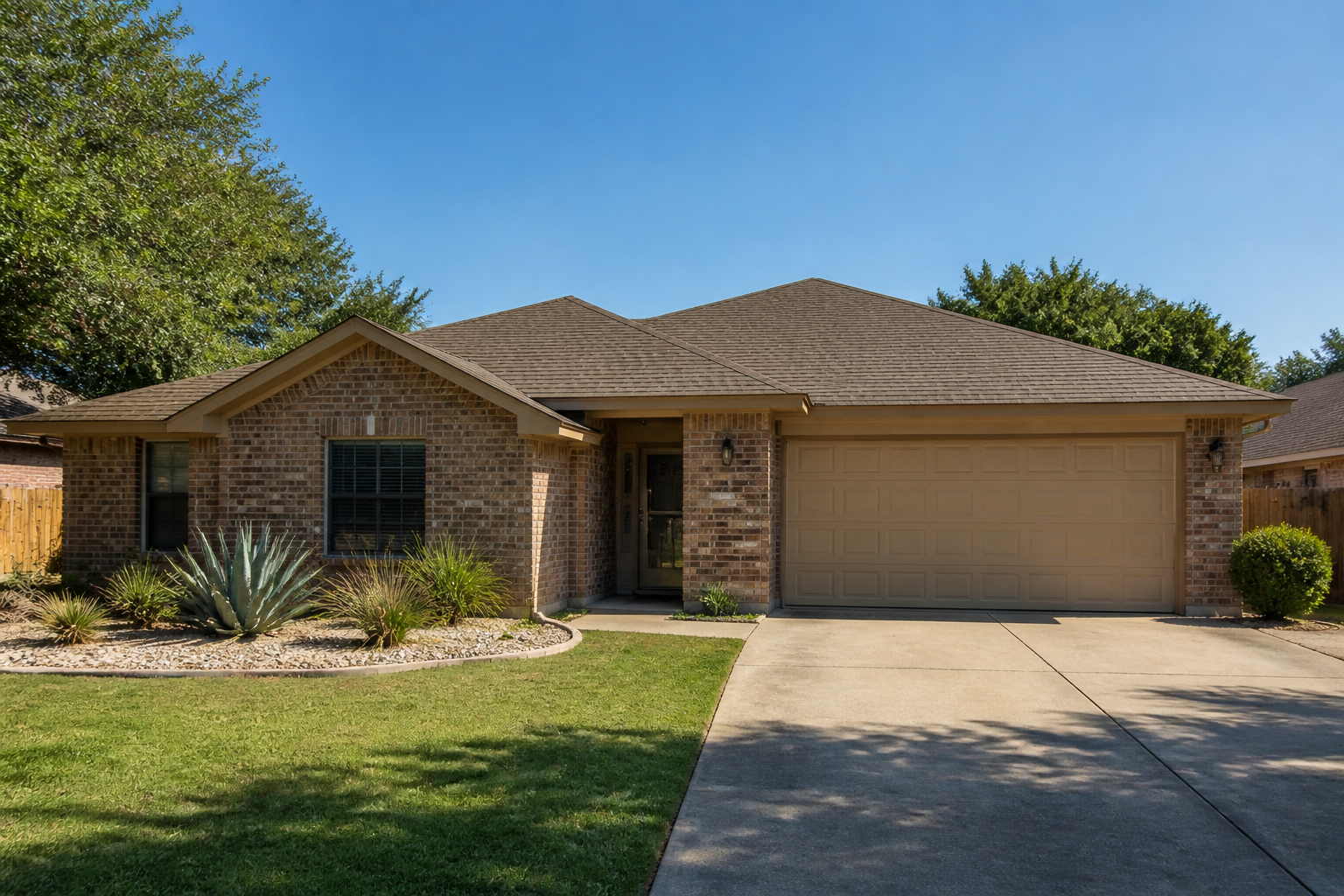
Understanding When to Get Roof Rejuvenation
Every asphalt shingle roof has an expiration date, but that date often arrives much faster in South Texas than homeowners anticipate. The brutal combination of triple-digit summer heat, relentless ultraviolet radiation, sudden downpours, and seasonal hail storms takes a heavy toll on asphalt roofing.
Over time, the petrochemical oils that give asphalt shingles their flexibility and water-shedding properties dry out. When those oils evaporate, shingles become stiff, brittle, and vulnerable to cracking. Once shingles lose their resilience, wind easily lifts them, hail chips away their mineral granules, and water eventually finds a path into the decking underneath.
Homeowners facing an aging roof often assume their only path forward is a costly, disruptive tear-off and replacement. In many cases, that is an unnecessary expense. Understanding when to get roof rejuvenation allows you to intervene while the shingle structure remains sound, restoring shingle flexibility and adding up to 15 years to the roof's working lifespan.
To make an informed decision, you need to understand what makes an asphalt roof a prime candidate for nano-silica treatment—and what issues disqualify it.
The Ideal Candidate: Structurally Sound but Showing Age
The most important concept to grasp about roof rejuvenation is that it is a preventive restoration treatment, not a structural repair for a failed roof. It works by penetrating the dried asphalt core, infusing nano-silica into the matrix to restore flexibility, bind loose granules, and help resist water infiltration.
For the treatment to do its job, the underlying roofing system must still have solid bones. An ideal candidate roof generally displays the following characteristics:
Intact Decking and Clean Lines
When you step back to look at your roofline, the planes should be straight and true. If the roof deck is sagging, dipping between rafters, or showing signs of rot from long-term trapped moisture, the roof is past the point of rejuvenation. A candidate roof has solid, dry decking beneath the shingles with no structural deflection.
Granule Loss Without Bare Matting
Asphalt shingles rely on an outer layer of crushed ceramic granules to shield the asphalt layer from UV rays and physical impact. It is completely normal for aging shingles to shed some of these granules into the gutters over time. However, if you see the underlying black asphalt base or shiny fiberglass matting exposed across large areas, the shingle has lost its protective barrier. Rejuvenation is best applied when granule shedding is noticeable, but before the underlying fiberglass mat is worn thin or exposed to direct sunlight.
Minor Surface Weathering Without Severe Deformation
Shingles that are candidates for treatment may feel somewhat dry to the touch or look slightly faded under the San Antonio sun, but they still lie flat against the roof deck. If the edges of the shingles are severely curled upward (cupping), bent backward (clawing), or cracked clean through across multiple slopes, the asphalt has degraded too far to hold a treatment.
No Active Structural Leaks
A roof candidate should not have active, systemic water leaks. If flashing around a chimney or vent pipe has failed, that specific component can often be repaired during inspection. But if water is penetrating across the broad field of the roof due to structural failure, a full replacement is usually the only practical path.
When Roof Rejuvenation Is Not the Right Fit
Honesty matters when it comes to roofing. Nano-silica treatment is a powerful maintenance solution, but it is not magic. Applying treatment to a roof that has crossed the line into structural failure is a waste of resources.
A roof is generally not a good candidate for rejuvenation if it has:
- Extensive hail impact: Hail stones that have fractured the fiberglass matting, created soft bruising, or blown away large clusters of granules down to the substrate.
- Widespread physical damage: Multiple missing shingles, torn tabs, or wind damage across several slopes.
- Severe brittleness: Shingles that snap in half when gently lifted even a fraction of an inch.
- Soft, spongy decking: Areas of the roof that yield under foot pressure, signaling rotted plywood or OSB beneath.
- Multiple layers: Homes with two or more layers of shingles stacked on top of each other. Rejuvenation should only be applied to a single, properly ventilated shingle layer.
If you inspect our project gallery, you can see real examples of roofs that were treated at the right moment versus those requiring extensive structural repairs.
Why San Antonio Roofs Age Faster
The climate in South Texas presents unique challenges for asphalt materials. Understanding how local weather degrades shingles helps clarify why timing matters.
The Solar Cooker Effect
During our long summer stretches, roof surface temperatures routinely climb past 150 degrees. That intense heat bakes out the volatile oils within the asphalt binder. Once those oils vent into the atmosphere, the shingle loses the ability to expand and contract as daily temperatures shift. This thermal shock creates microscopic stress fractures throughout the asphalt layer.
Violent Hail and High Winds
Spring and autumn storms along the I-35 corridor regularly bring intense wind gusts and hail. A flexible shingle absorbs hail impacts by dispersing the kinetic energy. A dried-out, brittle shingle simply fractures, shedding granules instantly and opening immediate entry points for rainwater.
Applying treatment before severe storm seasons gives dried shingles the flexibility needed to withstand thermal cycling and typical seasonal weather.
How to Self-Check Your Roof from the Ground
You do not need to climb onto a steep, hot roof to get a sense of its condition. Homeowners can conduct a straightforward visual inspection from the safety of the yard with a pair of binoculars:
- Check the Gutters and Downspout Runoff: After a moderate rain, look at the base of your downspouts or peek into your gutters. A thin line of sandy granules is common on an aging roof. If you find heavy piles of granules washing out by the cupful, your shingles are losing their shield and are at the point where intervention is needed.
- Look for Shingle Edge Lift: Stand across the street or in the backyard and look across the face of each roof slope. Look for edges that are starting to lift slightly, or shingles that have lost their deep, original color and appear chalky or washed out.
- Examine the Attic Space: Head into your attic with a flashlight during the day. Turn off the lights and scan the underside of the roof decking. Look for daylight shining through seams, water staining along rafters, or signs of mold and mildew. A dry attic indicates the underlying barrier remains intact.
What Happens During a Professional Evaluation
While a ground check provides a strong preliminary idea, the final determination requires a physical inspection. An experienced technician walks the slopes, tests the pliable resistance of the shingles, and assesses the condition of pipe boots, valley metal, and perimeter flashing.
Questions regarding product application details, safety specifications, and treatment cure times are covered directly during your free on-site estimate. Every home is different, and the assessment accounts for roof pitch, shade coverage from live oaks, attic ventilation efficiency, and historical storm exposure.
Catching shingle aging early keeps your home protected, maintains curb appeal, and extends the service life of your asphalt roof by up to 15 years without the mess, waste, and immense cost of early replacement. If you have questions about your roof's condition or want to discuss your property, you can reach out through our contact page to arrange an assessment.
Common Questions
- What is the best roof age for rejuvenation treatment?
- Most asphalt roofs become prime candidates between 6 and 15 years of age, depending on sun exposure and weather conditions. The key factor is treating the roof while it remains structurally sound and before shingles begin to curl or crack.
- Can roof rejuvenation fix active roof leaks?
- No. Roof rejuvenation is designed to restore flexibility and granule retention to dried-out asphalt shingles. It is not a sealant for rotted decking or failed flashing. Active structural leaks must be repaired mechanically.
- How many years can rejuvenation add to an asphalt roof?
- When applied to a roof in suitable condition, nano-silica rejuvenation can add up to 15 years to the functional lifespan of the shingles.
- Will rejuvenation work if my shingles are already curling or brittle?
- If shingles are severely curled, cupped, or broken, they have degraded beyond the point where treatment can help. Rejuvenation works best when shingles are dried out but still lying flat and intact.