
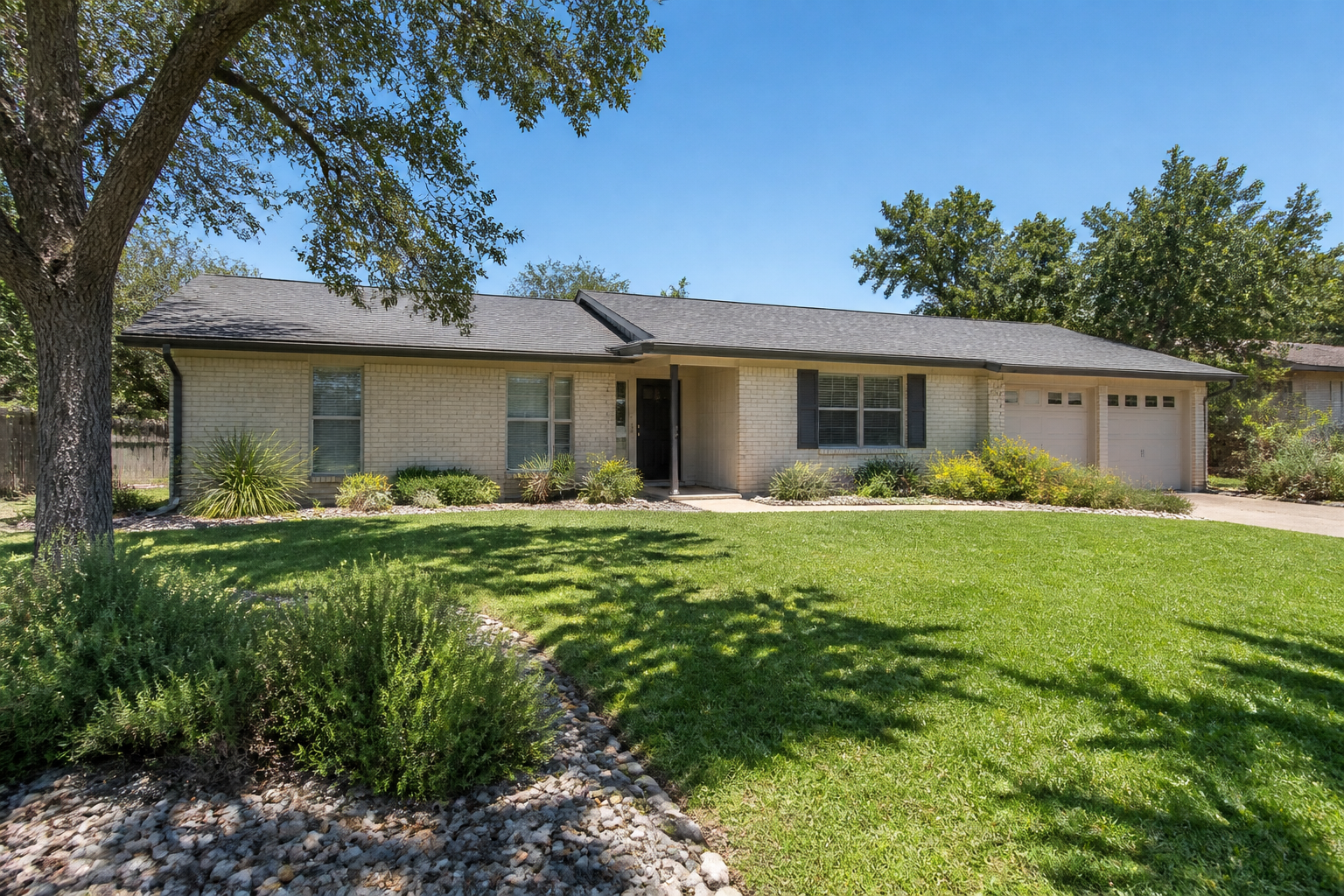
Why You Should Inspect Your Roof from the Ground
Climbing onto a residential roof carries unnecessary risk. Steep pitches, loose gravel, and brittle surfaces create immediate slip hazards, particularly on homes that have weathered several seasons of harsh Texas sun. Fortunately, homeowners do not need to set foot on a ladder to assess whether their shingles are wearing out.
From your front yard, back patio, and driveway, you can spot the primary physical changes that take place as an asphalt roof approaches the later stages of its service life. Learning how to recognize these visual cues gives you the opportunity to address problems early, before water finds a way into your decking, attic insulation, or drywall.
At Lone Star Roof Rejuvenation and Surface Protection, a Marine Corps veteran owned company serving the greater San Antonio area, we believe in straightforward, practical maintenance. Here is what local homeowners need to look for when evaluating shingle condition from ground level.
How South Texas Weather Accelerates Shingle Aging
Asphalt shingles are engineered using fiberglass mats saturated with petroleum-based asphalt oils and topped with crushed mineral granules. The oils keep the shingle flexible, allowing it to expand and contract as temperatures fluctuate. The granules provide color and shield those underlying oils from direct ultraviolet exposure.
In San Antonio and the surrounding Hill Country, roofs face brutal conditions year after year. Prolonged summer heat drives roof surface temperatures well past ambient readings. Intense UV radiation steadily bakes out the natural asphalt oils, causing shingles to dry out, lose flexibility, and become stiff. When you add spring hail storms, sudden heavy downpours, and high wind gusts, dried shingles lose their protective granules and begin to degrade at a much faster rate.
Understanding this dynamic helps you identify the visual clues that signal your roof is drying out.
Key Signs of an Old Roof You Can Spot from Your Yard
Take a slow walk around the perimeter of your house on a clear day. Step back far enough toward the street or fence line so you can clearly see the roof planes, ridges, and valleys. Here are the most common signs of an old roof to look for.
1. Granule Accumulation in Downspouts and Driveways
You do not have to look up to find the first warning sign. Look down at the discharge points of your gutters and along the edges of your driveway or flowerbeds after a rainstorm.
When asphalt shingles dry out, they lose their grip on the mineral granules pressed into their surface. While a small amount of granule shedding is normal on newly installed shingles, steady or heavy accumulation around downspouts points directly to aged shingles. If you notice piles of coarse, sand-like grit washing out of your gutters, the protective barrier on your shingles is thinning out, leaving the underlying asphalt exposed to direct sun.
2. Curling and Cupping Shingle Edges
As shingles lose their essential oils, they shrink and turn brittle. This shrinkage creates tension across the tab, pulling the edges upward or inward.
- Cupping: The center of the shingle sags while all perimeter edges turn upward, forming a shallow bowl shape.
- Curling: The corners or outer edges of the tabs curl upward or downward, pulling away from the shingle underneath.
Curled shingles leave gaps where wind-driven rain can blow beneath the surface. They are also much more vulnerable to wind uplift during sudden Hill Country thunderstorms, which can snap the brittle tabs clean off the deck.
3. Dark Streaks and Discoloration Across Slopes
Dark, vertical streaks across your roof are often airborne algae known as Gloeocapsa magma. While algae alone does not always mean a roof is failing, deep discoloration often coincides with moisture retention and thinning granule coverage.
Furthermore, if you see blotchy, dark patches where the color looks uneven rather than streaked, you may be looking at areas where granules have completely scoured away, revealing the black asphalt substrate beneath. When dark asphalt is directly exposed, it absorbs heat even faster, speeding up the drying process for the surrounding area.
4. Lifted, Creased, or Missing Tabs
Healthy shingles stay flat because a factory sealant strip glues each row to the one below it. As shingles age, dry out, and collect dirt, those adhesive strips fail.
From the ground, scan the straight horizontal lines of your roof. Look for tabs that stick up unevenly or cast irregular shadows across the roof face. If you see dark horizontal crease lines across the top third of a shingle, wind has bent that brittle tab back and forth, breaking its internal fiberglass mat. Once a shingle reaches this stage, it will often tear away during the next strong storm.
5. Surface Cracking and Crazing
On roofs that have endured a decade or more of San Antonio summer heat, shingles often develop fine, hairline surface fissures known as crazing. Over time, these hairline fissures widen into visible cracks that run through the tab. If you can see distinct, jagged lines splitting individual shingles from the safety of your yard, the asphalt has lost the elasticity required to handle normal thermal expansion.
Tools for an Effective Ground-Level Check
You do not need specialized equipment to conduct a thorough inspection, but a few simple items make the job much clearer:
- Binoculars: A standard pair of hunting or birdwatching binoculars brings high peaks, chimney flashing, and second-story roof lines into sharp focus.
- Smartphone Zoom: Modern smartphone cameras with optical zoom allow you to snap clear photos of questionable areas and review them closely on a larger screen.
- Angled Sunlight: Inspect your home in mid-morning or late afternoon rather than noon. Low-angle sunlight casts shadows along shingle edges, making curling, lifting, and texture loss much easier to spot.
Take note of which slopes show the most wear. In South Texas, south-facing and west-facing slopes typically display the most severe aging because they take the brunt of the afternoon sun.
Understanding Your Options When Aging Begins
Spotting signs of an old roof does not always mean you must immediately pay for a full roof replacement. Many roofs show surface dryness, moderate granule shedding, and early stiffness while the underlying structural decking and underlayment remain sound.
For shingles that are structurally intact but drying out, modern roof rejuvenation treatments offer an effective way to restore lost flexibility and slow further deterioration. A professional nano-silica application works deep into the asphalt core, replenishing essential oils and extending shingle performance up to 15 years. You can view real-world examples of how dried shingles respond to treatment by visiting our gallery.
Taking twenty minutes once or twice a year to walk your property gives you control over your home maintenance. By catching early granule shedding, edge curling, and surface dryness before water intrusion starts, you can protect your home, extend the life of your asphalt shingles, and avoid unexpected interior repairs.
Common Questions
- Can I really evaluate my roof condition without climbing on it?
- Yes. Most significant forms of shingle aging—including curling edges, granule loss washed into downspouts, dark patches, and lifted tabs—are clearly visible from the ground using binoculars or a phone camera.
- Why do shingles in San Antonio age faster on certain sides of the house?
- South- and west-facing roof slopes receive the most intense direct ultraviolet rays and heat during hot Texas afternoons. This causes the petroleum oils in those shingles to dry out faster than shingles on north-facing slopes.
- Are black streaks on my roof a sign that it needs replacement?
- Not necessarily. Dark vertical streaks are typically airborne algae, which can be cleaned. However, if the dark areas are irregular patches where granules have rubbed or washed away, the underlying asphalt is exposed and drying out.
- How many years can roof rejuvenation add to asphalt shingles?
- When applied to structurally intact shingles that are experiencing natural drying, a professional nano-silica rejuvenation treatment can extend shingle life up to 15 years.